- A. Lange & Söhne Watches
- Audemars Piguet Watches
- Bell & Ross Watches
- Blancpain Watches
- Breguet Watches
- Breitling Watches
- Bvlgari Watches
- Cartier Watches
- Chopard Watches
- F.P.Journe Watches
- Franck Muller Watches
- Girard Perregaux Watches
- Glashütte Original Watches
- Hamilton Watches
- Hublot Watches
- IWC Watches
- Jaeger-LeCoultre Watches
- Longines Watches
- Mido Watches
- Nomos Watches
- Omega Watches
- Oris Watches
- Panerai Watches
- Patek Philppe Watches
- Piaget Watches
- Richard Mille Watches
- Roger Dubuis Watches
- Rolex Watches
- Seiko Watches
- Tag Heuer Watches
- Tissot Watches
- Tudor Watches
- Ulysse Nardin Watches
- Vacheron Constantin Watches
- Zenith Watches


The Ultimate Beginner’s Guide to Vintage Watch Collecting
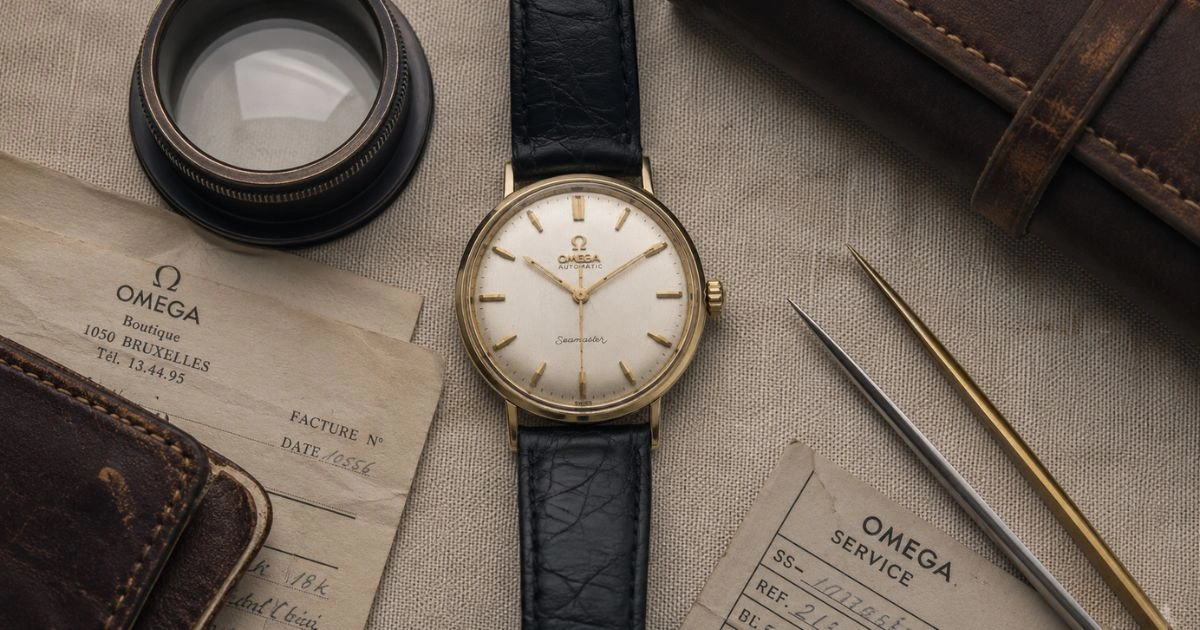
There comes a moment in every watch enthusiast’s journey when the shiny new releases lose a little of their lustre, and something older, quieter, and infinitely more characterful begins to call. That scratch on the crystal? History. That faded dial? Patina. That slightly imperfect lume? Character. Vintage watches are not merely timepieces—they are tangible connections to the past, embodying craftsmanship, stories, and moments frozen in time.
But stepping into the world of vintage watch collecting can feel like entering a labyrinth. Hundreds of brands, thousands of references, and more than a century of evolving design and engineering await. Where do you even begin? This guide is designed to be your compass.
What Exactly Is a Vintage Watch?
Before you buy your first piece, it helps to understand what you’re actually looking for. Most specialists and dealers agree that a vintage watch is generally 20 to 30 years old, though definitions vary. Watches over 100 years old are typically classified as antiques. Hodinkee, one of the most respected voices in horology, tends to view watches made prior to 1990 as vintage.
There is also a category worth knowing: neo-vintage. These are watches roughly 20 to 40 years old—often overlooked, sometimes out of style, and frequently offering tremendous value. As a watch approaches the 40-year mark, it matures into full vintage territory, and its appeal often rises accordingly.
Why Collect Vintage?
Why choose an older watch over a modern one? The answer lies in what vintage watches offer that new ones simply cannot replicate.
Vintage watches carry charm and character rarely matched by modern equivalents. Unlike contemporary mass-produced pieces, they often boast superior craftsmanship, unique designs, and historical significance. Each watch tells a story—reflecting the era in which it was made, the technological innovations of its time, and the personal histories of previous owners.
Beyond aesthetics, vintage watches offer something deeply personal. A kiss of patina warmth on a dial is the horological equivalent of a pair of well-faded denim or a well-travelled classic car. They show their age—often wonderfully so.
Finding Your Focus: Where to Start
The landscape is vast, and the biggest mistake a beginner can make is trying to conquer it all at once. Instead, ask yourself a simple question: What is this watch for?
Is it a do-everything, go-anywhere watch you’ll wear every day? Or is it for special occasions only? Do you want a bracelet or a strap? A true vintage piece or something a little newer? One effective approach is to play a game of elimination—keep removing possibilities until you’ve narrowed your preference to a fine enough point.
Brands Worth Exploring
Certain manufacturers carry substantial prestige in the vintage market due to their reputation, quality, and innovation. Names like Rolex, Omega, Patek Philippe, and Cartier are perennial favourites. However, don’t overlook brands that offer exceptional value for newcomers.
For those starting with a more modest approach, vintage Longines and Zenith models are excellent places to begin. These brands are known for their high-quality movements, rich heritage, and classic designs, and they remain straightforward for an experienced watchmaker to service. Omega dress watches from the 1950s and 1960s are also fantastic starting points—there are dozens of Seamaster variations alone, so you’re spoiled for choice. Seiko’s vintage offerings, from the 62MAS dive watches to the elegant Grand Seiko models, are now bona fide collector’s items that remain accessible.
The best advice for the novice collector? Go with your heart. If you love something, it will be cherished, regardless of anything else—that is the essence of collecting.
The Art of Evaluation: What to Look for
Once you’ve identified a watch that speaks to you, the real work begins. Evaluating a vintage watch requires a critical eye and, perhaps more importantly, the right mindset.
Player-Grade vs. Investor-Grade
A useful framework comes from the world of vintage guitars, which divides offerings into two categories. Investor-grade watches are in their original configuration and great shape—think of a watch that sat in its box for decades. Player-grade watches, on the other hand, have been worn and loved. They show signs of wear, they may have been serviced, and they’ve lived the life of a watch.
For beginners, player-grade is often the smarter path. These watches tend to be more affordable and, crucially, more forgiving. Museum-grade vintage watches don’t exist at entry-level prices. Every affordable vintage watch will come with some compromises—your job is to pick the compromises you can live with and avoid the ones you cannot.
The Three C’s: Configuration, Condition and Content
When evaluating a vintage watch, experienced collectors tend to look at three primary categories in a specific order: configuration, condition, and set content.
Configuration is where your model-specific research comes in. Know what the watch should look like—correct hands, correct dial layout, correct crown. Serial numbers can help you date a piece, and some brands like Omega have excellent records that allow precise dating. Remember: the serial number relates to an individual piece, while the reference number pertains to the model.
Condition is arguably the most important factor influencing a watch’s desirability. Look for:
- Original dials, hands, and bezels—original components significantly enhance value and authenticity
- Unpolished cases—over-polishing can soften crisp edges and reduce value
- Consistent ageing—an even patina across the dial and hands suggests originality
- Signs of water damage—corrosion, rust, or stains on the dial indicate potential movement issues
Set content refers to what comes with the watch—original box, papers, and service history. While not essential, original documentation can significantly increase desirability.
The Beauty of Flaws
Counterintuitively, certain imperfections are not only acceptable but highly prized. Faded or “tropical” dials—those transformed by heat or UV exposure—can command premiums from collectors who value their unique character. A dial that has been restored or touched up, however, is generally not accepted by serious collectors.
Buy the Seller
Perhaps the most important rule in vintage watch collecting: buy the seller before you buy the watch.
Established sellers and auction houses might command a slight premium, but that extra cost buys you buyer’s protection and peace of mind. An eBay listing from an unknown seller is significantly more risky than one from a reputable dealer with a track record. Always prioritise who you are buying from.
That said, always go back to your own research, because even reputable dealers can make mistakes. (Even Omega once bought an inauthentic Speedmaster at auction—if the experts can slip up, so can anyone.)
Maintenance: Vintage Watches Need TLC
Vintage watches require more care than their modern counterparts. Cracked crystals, dried-up movement oils, damaged rubber gaskets, and weakened winding stems are inevitable signs of wear and tear.
Before purchasing, try to find out if the watch has been recently serviced. A “fully serviced” watch has been completely taken apart, examined, cleaned, repaired, reassembled, oiled, and regulated to keep great time. Buying one that’s already serviced will alleviate certain concerns, but factor servicing charges into your long-term planning—watches requiring specialised parts will rack up larger bills.
It’s also worth finding a specialist watchmaker before you buy. Talk to several, find out if they can source replacement parts, and ask how much basic repairs and maintenance will cost.
Common Pitfalls to Avoid
Rushing in without research. The internet is full of valuable resources—online forums, brand reference works, and collector books. Use them. Going in blind is a surefire way to get burned.
Chasing deals that seem too good to be true. If it feels too good to be true, it almost certainly is.
Ignoring authenticity. Counterfeiting can be rampant in the vintage market. Learn to spot red flags—crude printing, incorrect fonts, mismatched serial numbers.
Overlooking service history. A watch without a clear service record is a gamble.
Final Thoughts
Vintage watch collecting is a journey, not a destination. Your eye will develop over time. Your tastes will evolve. You will make mistakes—every collector does. The trick is to minimise the risks by knowing how to set your priorities and what to look for.
Start with something you genuinely love. Wear it. Enjoy it. Learn from it. And when you’re ready, find the next one. The world of vintage horology is vast and endlessly rewarding—welcome to the adventure.