
Guardians of Time: The Patek Philippe Museum and Its Treasures
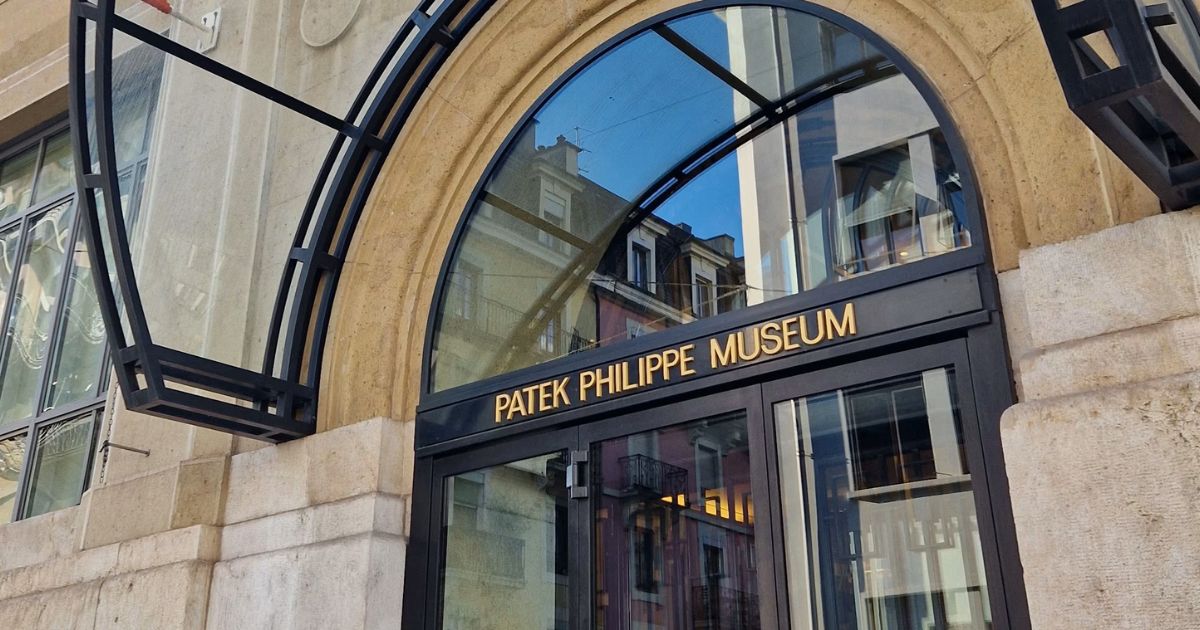
Geneva is a city that hums with the tension of a mainspring. Walk along the Rhône, and you feel it—the pressure of history, of finance, and of an obsession with precision. But for the horological faithful, there is only one pilgrimage site: Rue des Vieux-Grenadiers 7.
Tucked away in the Plainpalais district, inside a restored Art Deco industrial building from 1919, lies the Patek Philippe Museum. To call it a “museum” feels almost insufficient. It is a reliquary. It is the physical manifestation of Philippe Stern’s passion—a man who decided that the greatest collection of timekeeping in the world should not gather dust in a private vault, but should be shared to inspire future generations.
Today, we are going past the velvet ropes. We are walking through 500 years of history, exploring the workshops, and looking at the “Grail” watches that define haute horlogerie. Let’s turn the crown and feel the click into gear.
The Genesis of a Vision
Unlike corporate museums built by a marketing department, this one was born from obsession. In the 1980s, Philippe Stern (Honorary President of the Manufacture) started buying not just Patek Philippes, but any timepiece that represented a technical or artistic leap in watchmaking.
The goal was never to simply show off. It was educational. Stern wanted a “broad audience” to understand why Geneva became the capital of watchmaking. When the museum opened in 2001, it wasn’t just a victory for Patek; it was a victory for the preservation of the craft.
Today, the collection boasts roughly 2,500 pieces and a library of over 8,000 works. As one TripAdvisor reviewer recently put it, “Might never afford a Patek, but what a great way to spend a few hours”. That is the magic here: this is a museum for learners, not just buyers.
A Walk Through the Atelier (Ground Floor)
Your journey doesn’t start with the shiny objects. It starts with tools.
The ground floor is where the romance of the trade lives. Here, you will find the Artisan’s Atelier—a collection of antique workbenches, burins, lathes, and mainspring winders. It smells like oil and aged wood.
The Learning Moment: Watch the glass-walled restoration workshop. You will see a watchmaker, hunched over a microscope, repairing a movement that might be 200 years old. As visitor Hannah Dare noted during her training trip, seeing the current collection pay homage to these original models is astonishing. It grounds you. Before you see the crown jewels, you must respect the labour.
The Antique Collection (Second Floor)
Take the stairs up. You are leaving the 20th century behind. The Antique Collection is a dizzying display of horology from the 16th to the 19th centuries.
This is where the museum fulfills its mission to showcase “Genevan, Swiss, and European watchmaking artistry”.
The Enamel Revolution
You cannot understand Patek Philippe without understanding enamel. On this floor, you will find pocket watches that look like Renaissance paintings. These are not just timekeepers; they were status symbols worn by popes and royalty.
- Why it matters: Before the Reformation, Geneva was a city of goldsmiths. When religious turmoil chased away the making of religious icons, those artists turned their miniature painting skills to watch cases. The museum houses an incredible array of “miniature enamel portraits” that effectively saved Geneva’s economy.
The First Wristwatches
It’s easy to forget that the wristwatch (as opposed to the pocket watch) is a relatively modern invention. The museum holds some of the earliest examples of “wristlets,” showing the transition from utilitarian jewelry to serious machinery.
The Patek Philippe Collection (First Floor)
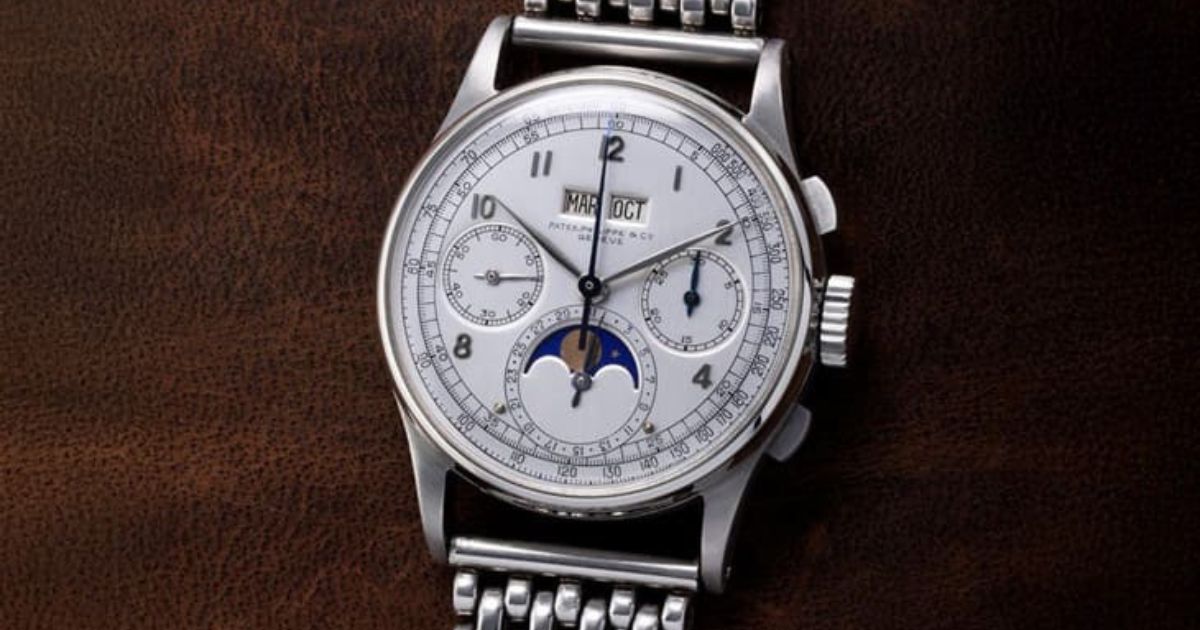
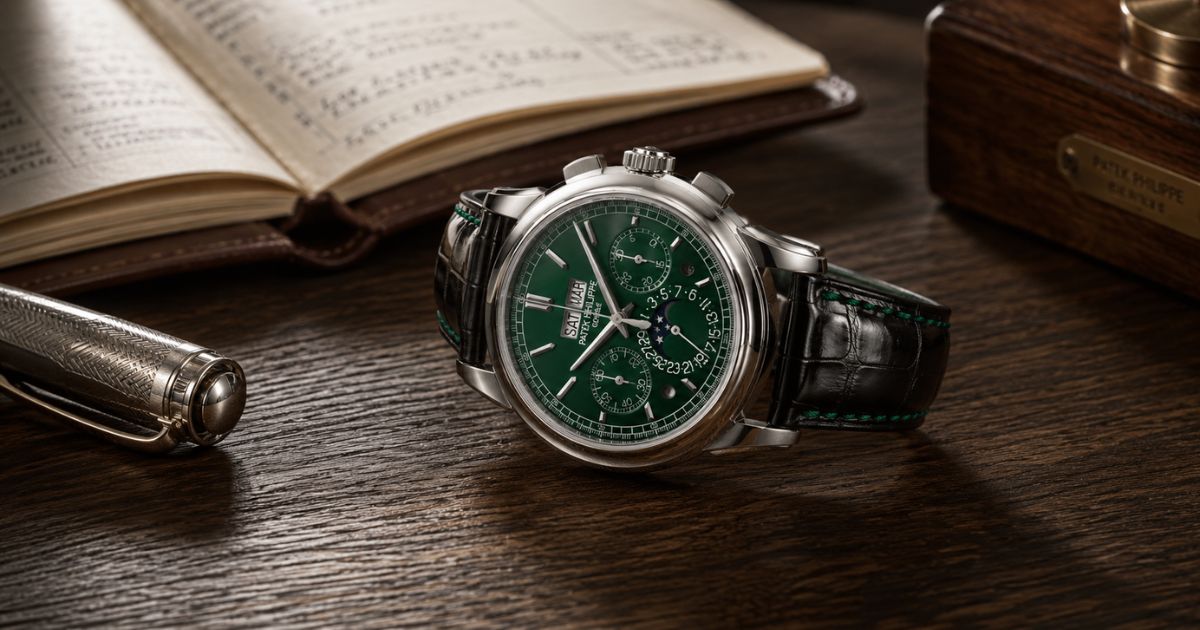
Now we enter the sanctuary. The Patek Philippe Collection is a timeline from 1839 to the present. This is the “greatest hits” album of the brand.
For the collector, this floor is dangerous. It induces a fever.
The Calibre 89
You will read about this in every guidebook, but standing near it is different. Created for the 150th anniversary in 1989, for years it was the most complicated mechanical watch in the world, boasting 33 complications. It is massive. It is heavy. It is the “Moby Dick” of watchmaking—the white whale that proves what human ingenuity can do without a battery.
The Henry Graves Jr. Supercomplication
While the specific “Supercomplication” might travel for exhibitions, the museum’s collection of pieces from the “Graves and Packard” era defines the golden age of American patronage. These are pocket watches that track everything from sunrise to star charts.
Blogger’s Note: I highly recommend the audio guide here. As noted by the FHS, the museum offers a tablet-based guide with 20 hours of content, allowing you to zoom in on movements you can’t see clearly with the naked eye. One reviewer notes that without the guide, you might miss the “soul” of the pieces. Don’t be that guy—get the tablet.
The Library (Third Floor)
If you are a true nerd, the third floor is the peak. The library contains over 8,000 publications dedicated to the art of timekeeping.
It is quiet up here. There are portraits, snuff boxes, and the original archives.
The Essential Reading
If you want to take this experience home (but cannot take photos in the museum—yes, photography is strictly prohibited to preserve the intimacy), buy the books. The museum produced a two-volume catalog titled Patek Philippe Watches.
As reviewed by Monochrome Watches, these books are “not a story you read before sleep.” They are heavy, weighing about 6.4kg, and serve as the ultimate reference guide. Volume I covers pocket watches; Volume II covers the wristwatches and the birth of the Calatrava cross. If you are studying for an exam in horology, this is your textbook.
Why This Museum Matters for Learners
The watch industry is often accused of being snobbish or opaque. The Patek Philippe Museum breaks that stereotype.
- Context is King: Seeing a 2025 Nautilus next to a 1950s ref. 2526 shows you that design language is a river, not a snapshot.
- The “Stern” Effect: The museum is currently led by Peter Friess, and they continue to acquire new pieces. A recent academic paper noted that this museum represents a “didactic vocation”—it is structured to teach you about the mechanism, not just the brand name.
- Practical Tips: It is closed on Sundays and Mondays, and Thursday is also tricky (double-check the hours). Entry is incredibly reasonable (around 10 CHF), and the lockers require a coin, but the staff offers tokens.
Final Thoughts
You leave the Rue des Vieux-Grenadiers a different person. The traffic noise of Geneva returns, but your perception of time has shifted. You realize that a watch is not a tool for knowing the hour; it is a vessel for preserving a moment—or in this case, 500 years of moments.
Whether you are a student sketching movements in a notebook, or a collector looking at a $1 million minute repeater you can’t touch, the Patek Philippe Museum treats you the same: as a guardian of the legacy.
If you ever find yourself in Switzerland, skip the chocolate factory tour. Go see the singing birds, the enameled roses, and the ticking heart of history.