
A Beginner’s Guide to the Pre-Owned Watch Market
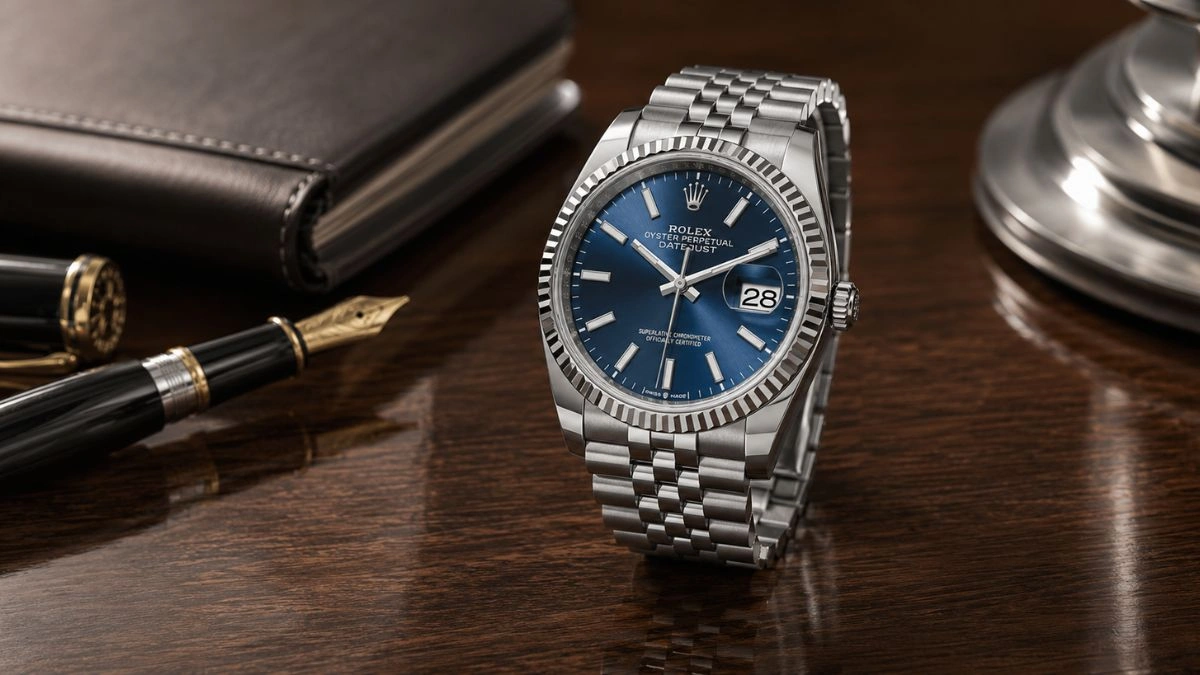
The secondary market for luxury watches has evolved from a niche corner of horology into a mainstream powerhouse. With the global sector projected to surpass $35 billion, it’s becoming an increasingly popular avenue for new enthusiasts. What was once a “slightly grubby” backchannel is now a legitimate source for acquiring incredible timepieces, offering access to everything from modern classics to rare, discontinued icons.
For the novice, however, this world can seem like a labyrinth. It’s a realm of vintage charm, hidden pitfalls, and a lexicon of its own. This guide serves as your compass, breaking down the essentials so you can navigate with confidence and begin your collecting journey.
Understanding the Landscape: More Than Just “Used”
Before you start hunting, it’s crucial to understand the different layers of the secondary market. Not all pre-owned watches are created equal.
- Pre-Owned: This is the broadest category. A pre-owned watch has simply had a previous owner. Its condition can range from “like new” to showing honest wear. It may or may not come with its original box and papers.
- Certified Pre-Owned (CPO): This is a relatively new but rapidly growing segment. These are pre-owned watches that have been inspected, authenticated, and serviced, often by the brand itself or a reputable dealer. You pay a premium for the peace of mind of a documented quality guarantee. However, it is a good entry point for those seeking security over the hunt for a period-perfect piece.
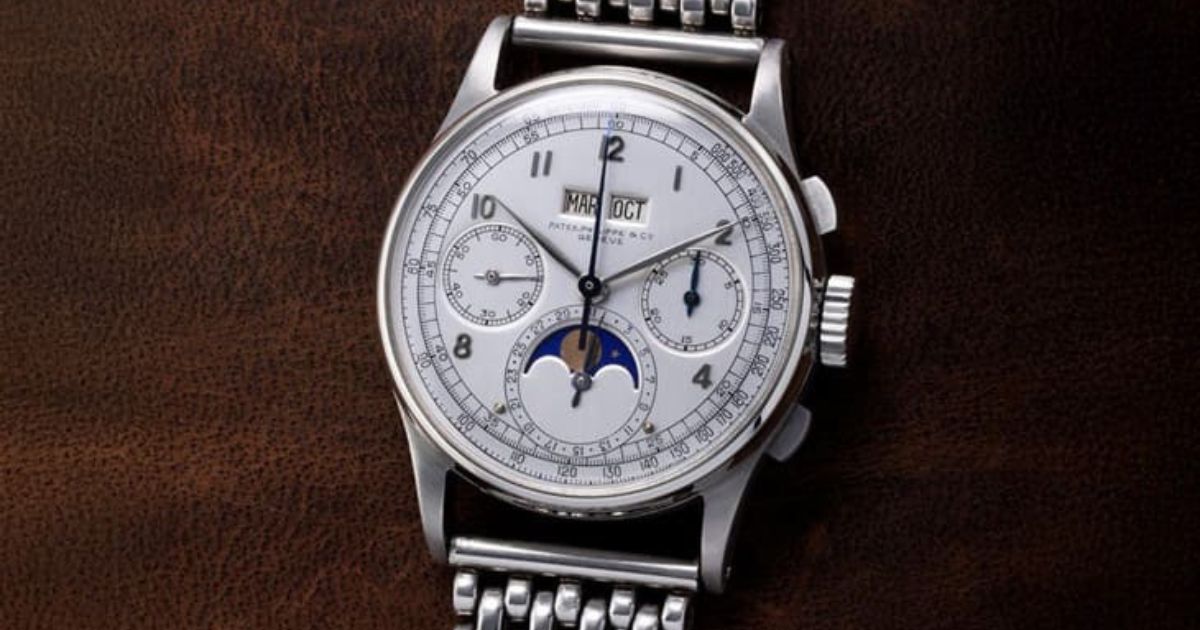
- Vintage: A watch is generally considered vintage if it hails from the 1990s or earlier. These are timepieces that carry decades of history. Collectors prize originality above all else—the original dial, untouched patina, and unpolished case. A replaced part, even with a genuine brand component, can dramatically affect its value and appeal.
The Golden Rules of the Hunt
Buying on the secondary market is an act of research as much as it is of desire. Here are the fundamental rules seasoned collectors live by.
1. Do Your Homework (The More, The Merrier)
Your research begins long before you even look at a listing. Know the model you desire inside and out. Study the reference numbers, the production years, the nuances of the dial (like fonts and lume), and the specific case shapes. “If you understand the model deeply, it becomes much easier to judge whether an individual piece is period-correct, special or ordinary,” notes one collector. This isn’t just about avoiding fakes; it’s about deepening your appreciation for the watch. The internet, social media, and watch communities are fantastic resources for this.
2. The Mantra: “Buy the Seller”
This is perhaps the most repeated and important piece of advice in the pre-owned watch world. You are not just buying a watch; you are buying the integrity of the person or business selling it.
- Check Reputation: A reputable dealer has a reputation to uphold. They are more likely to stand behind their product, offer returns, and resolve problems. Check online reviews, forums, and sale history .
- Look for Transparency: A trustworthy seller will be open and communicative. They should be comfortable sharing high-resolution photos, details on condition, service history, and the watch’s provenance.
- Red Flags: Be wary of vague answers, evasive sellers, or a deal that feels “too good to be true”. Trust your instincts; if something feels off, walk away.
3. Deciphering Condition and Authenticity
When you have a watch in your sights, it’s time to evaluate the piece itself. Focus on these key areas:
- Originality: This should be your primary focus. Is the dial original? Have the hands been replaced? Has the case been over-polished, rounding off sharp edges and lugs? A clean, “honest” watch with original parts is more desirable than one that has been heavily restored.
- Authenticity: Ask for clear photos of the dial, caseback, movement, and serial numbers. Cross-reference these with official databases. If you have any doubts, consider a pre-purchase inspection by a qualified professional. While not a 100% guarantee, it’s an added layer of security.
- Service History: Don’t be fooled by a claim that a watch has been “checked by our watchmaker.” This often means nothing more than a quick visual inspection. Always ask for documented service history with dates and an invoice. If it’s not available, budget for a full service.
4. The Holy Trinity: Box, Papers, and Patience
Box & Papers: While a “full set” (original box and warranty papers) is a massive asset for resale value, it should be the last thing you consider, not the first. Boxes and papers can be faked. Focus first on the originality and condition of the watch itself. A full set is a nice bonus, but don’t let it be the deciding factor.
Be Patient: The secondary market is vast and constantly changing. The right watch will come around again. Rushing into a purchase is often the only mistake a beginner can make that can lead to lasting regret.
The pre-owned watch market is rich with opportunity and history. It rewards patience, curiosity, and a willingness to learn. Approach it not as a simple transaction, but as an exploration—a journey to discover a piece of horological history that speaks to you. With this guide, you are now ready to take the first steps. Happy hunting.