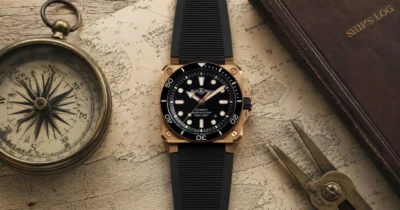

Dive Watches 101: Everything You Need to Know
There is a category of timepieces that lives on the wrist of CEOs, navy SEALs, and style icons alike. It is as comfortable under the cuff of a tuxedo as it is strapped to a thick wetsuit. We are talking, of course, about the dive watch.
Originally designed as a vital life-support tool for professional divers, the dive watch has evolved into a staple of modern horology. But what truly makes a watch a “Diver’s” watch? Is it just a matter of a metal bezel and a deep sea logo, or is there more ticking beneath the surface?
Welcome to Dive Watches 101. Consider this your crash course in the history, engineering, and essential characteristics of the world’s most beloved tool watch.
The Birth of the “Frogman” Tool
To understand the dive watch, we have to travel back to the early 1950s. This was the golden age of scuba diving, popularized by pioneers like Jacques-Yves Cousteau. Existing wristwatches simply couldn’t handle the pressure and corrosion of the deep sea; they would fog up, stop ticking, or implode.
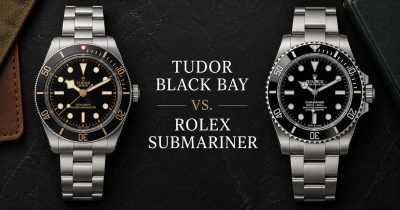
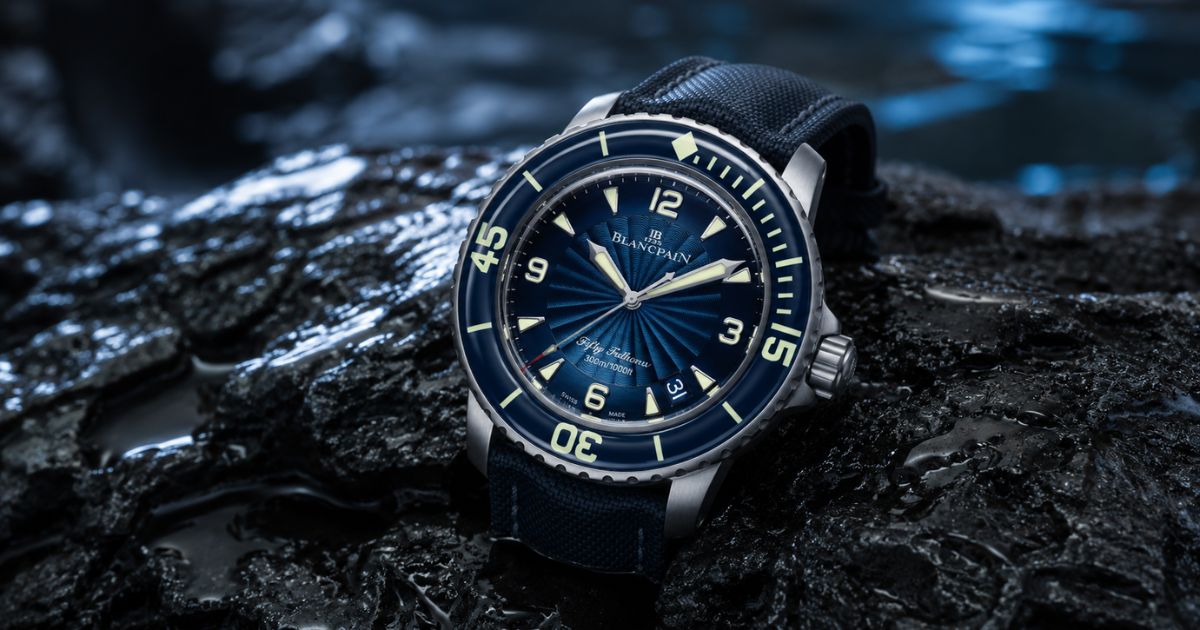
Three titans raced to solve this problem. In 1953, the horological world saw a seismic shift with the introduction of the Blancpain Fifty Fathoms, the Rolex Submariner, and the Zodiac Super Sea Wolf. These three models are widely regarded as the first purpose-built dive watches. They set the template for everything that followed: robust cases, high water resistance, and dark dials for legibility.
By 1996, the International Organization for Standardization (ISO) stepped in to formalize the rules, creating the ISO 6425 standard. This certification defines exactly what a watch must do to legally be called a “diver’s watch”.
The ISO 6425 Standard: The Strict Rulebook
A watch can claim “water resistance” for light splashes, but to be a true diver, it must pass a series of brutal tests. If a watch wants to be ISO 6425 certified, it must check the following boxes:
1. Genuine Water Resistance
While a standard dress watch might survive a dip in the pool, a dive watch must survive pressure. The ISO standard sets the minimum bar at 100 meters (330 feet). However, in the luxury market, 300 meters is the standard for a serious diver, with “superdivers” frequently pushing 600, 1000, or even deeper.
2. The Unidirectional Bezel
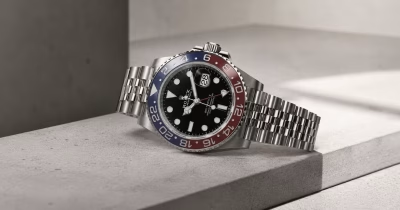
This is arguably the most critical safety feature. A diver needs to track how long they have been underwater to manage their oxygen supply. The bezel is marked with 60 minutes.
Why “unidirectional” (turning only counter-clockwise)? Safety. If the bezel gets knocked against a rock or a tank, it will only move to indicate a shorter dive time, telling the diver to surface earlier. If it rotated both ways, a bump could make the diver think they had more time left than they actually did—a potentially fatal error.
3. Maximum Legibility (Lume)
At 30 meters deep, natural light fades, and colors wash out. A dive watch must be readable in total darkness. This requires “lume”—photoluminescent paint applied to the hands, indices, and the zero marker on the bezel. Modern high-end watches use Super-LumiNova, while brands like Luminox and Traser use tritium gas tubes for constant self-illumination.
4. Magnetic & Shock Resistance
The watch must resist sudden impacts (like jumping off a boat) and magnetic fields (like those generated by dive equipment). The movement must be robust enough to keep ticking under duress.
5. An Indication the Watch is Running
This seems simple, but it is vital. Usually, this is a seconds hand with a luminous dot or a distinct shape. If you are deep underwater, you need to know the watch hasn’t stopped.
Anatomy of a Dive Watch
Beyond the regulations, there are specific hardware components that make a diver function:
- The Screw-down Crown: Unlike a standard pull-out crown, the crown on a diver screws tightly into the case, compressing a gasket to create a waterproof seal.
- The Helium Escape Valve (HEV): This is for the extreme professionals—saturation divers living in pressurized chambers. Helium molecules are smaller than water and can sneak into the watch. If the diver ascends, the trapped helium expands and can pop the crystal off. The HEV lets that gas escape safely.
The Heartbeat: Quartz vs. Automatic
Dive watches generally fall into two mechanical categories, and understanding them is key to luxury collecting.
Quartz
Powered by a battery. It is ultra-accurate, durable, and “grab-and-go.” You don’t need to wind it. Vintage enthusiasts often prefer quartz for true beater tool watches because they take a beating and keep perfect time.
Automatic (Mechanical)
The purist’s choice. Powered by a rotor that winds the mainspring using the motion of your wrist. It is “alive” on your wrist. While generally less accurate than quartz, the craftsmanship behind an automatic movement is what drives the luxury market. (Look for terms like “El Primero” or “Miyota” for different tiers of movements).
Materials: Steel, Titanium, and Ceramic
Modern dive watches have moved past simple stainless steel.
- Stainless Steel (316L): The classic. It is heavy, shiny, and durable.
- Titanium: Increasingly popular for luxury divers. It is significantly lighter than steel, hypoallergenic, and incredibly strong. The downside? It scratches easier and is darker in color.
- Ceramic Bezel Inserts: Older watches used aluminum bezels, which fade and scratch beautifully. However, modern luxury uses ceramic. It is virtually scratch-proof and retains its vibrant color forever.
Life Beyond the Ocean: Why You Should Wear One (Even if You Hate Swimming)
Here is the secret the watch industry knows: You don’t need to dive to wear a dive watch.
Because of their ISO standards and robust construction, dive watches are the ultimate “Go Anywhere, Do Anything” accessory. If a watch can survive 300 meters of pressure and pitch-black darkness, it can survive a business trip, a weekend hike, or a clumsy knock against a door frame.
The diver gives you peace of mind that a leather-dressed dress watch cannot. Plus, that rotating bezel? It is a surprisingly useful desk diver tool. Use it to time a phone call, track your laundry cycle, or see how long your steak has been on the grill.
Final Thoughts
The dive watch is a cornerstone of any serious collection. Whether you opt for the vintage charm of a Caravelle Sea Hunter, the modern aggression of a Zenith Defy Extreme, or the rugged dependability of a Victorinox, you are wearing a piece of history.
It is a marriage of safety, physics, and style. It represents adventure, even if that adventure is just the daily commute.
So, strap one on. Set the bezel. And dive in.