
A Guide to Pre-Owned Watch Condition Ratings (Like New, Excellent, Good)
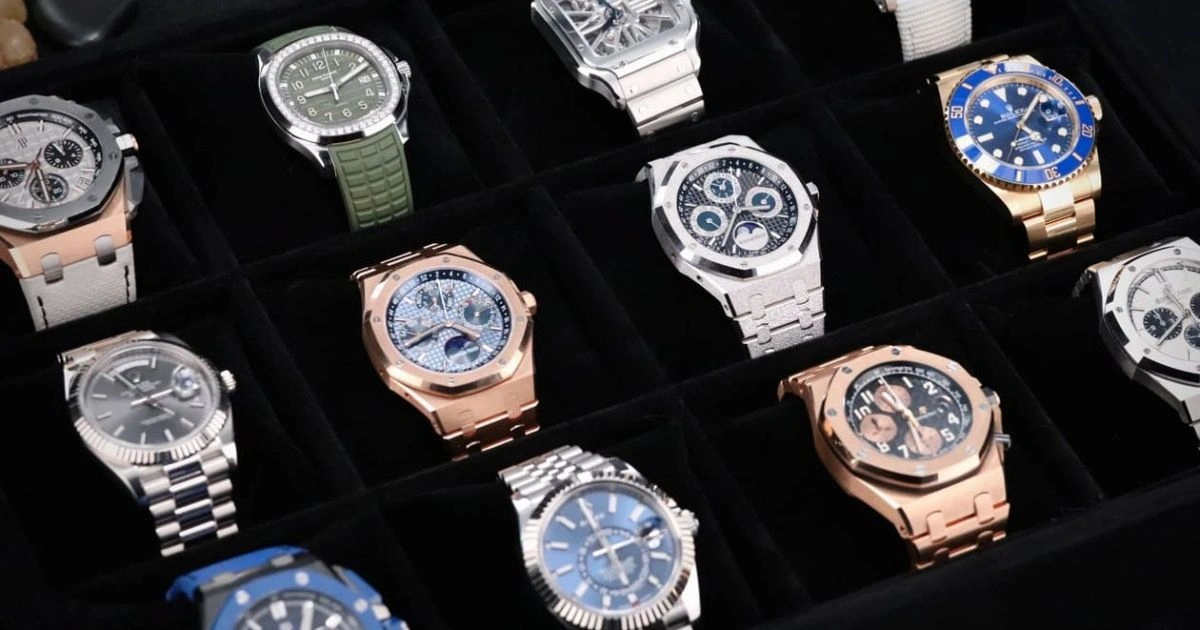
There is a quiet romance to a pre-owned luxury watch. It is a timepiece with a history—a previous life spent on the wrist of someone who cherished it, perhaps during a milestone birthday, a transatlantic flight, or a quiet evening spent watching the seconds tick by. When you buy pre-owned, you are not just purchasing a mechanism; you are becoming a steward of a story.
Yet, for the uninitiated, navigating the world of pre-owned timepieces can feel less like a treasure hunt and more like navigating a linguistic minefield. What exactly is the difference between “Like New” and “Excellent”? Does “Good” imply a watch that is structurally sound but visually worn? And what about the dreaded “patina”—is it damage or desirability?
Understanding the vocabulary of condition is the single most important skill a collector can develop. Unlike buying a new watch from an authorized dealer, where the condition is a pristine constant, the pre-owned market operates on a spectrum. This guide will serve as your compass, dissecting the standard rating tiers, the nuances of cosmetic versus mechanical condition, and how to read a watch’s face to understand its true history.
The Foundation: Cosmetic vs. Mechanical Condition
Before we dive into the specific ratings, we must establish a fundamental principle: a watch has two distinct states of being—its looks and its health.
A watch can be rated “Like New” cosmetically—without a single hairline scratch on its case—yet be running ten minutes fast per day because it has never been serviced. Conversely, a watch rated “Good” might have a deeply scratched bezel and a faded bezel insert but keep perfect time thanks to a recent overhaul by a master watchmaker.
When evaluating a listing, you must consider both axes. Reputable sellers will typically separate these concepts. If they don’t, ask. Mechanical condition is usually verified through two metrics:
- Timegrapher Readings: Look for numbers like amplitude (the “heartbeat” strength, ideally 250–310 for most modern calibers) and beat error (the symmetry of the tick, ideally under 1.0ms).
- Service History: A paper trail from a brand’s service center or a respected independent watchmaker is worth its weight in gold.
With that foundation laid, let us explore the standard lexicon of cosmetic condition ratings.
Tier 1: Like New (Often Labeled “Mint” or “Unworn”)
This is the apex of the pre-owned pyramid. A watch rated Like New is indistinguishable from a piece you would find under the glass case at a boutique. However, there are subtle distinctions within this tier that connoisseurs recognize.
- Unworn: The watch has never been sized, never been on a wrist, and typically retains all factory-applied protective stickers (on the caseback, clasp, and sometimes the bracelet). The box and papers are complete. This is a “safe queen”—bought, perhaps kept as an investment, and never enjoyed.
- Mint / Like New: The watch may have been worn once or twice, or perhaps it was a display model. All surfaces are pristine. The case retains its original factory finishing—sharp, crisp edges without any rounding from polishing. The bracelet is tight, and the clasp shows no “desk diving” marks (the fine scratches that appear when a clasp rubs against a desk or laptop).
What to look for:
In the “Like New” category, scrutiny falls on the polishing. A true like-new watch should have “full lugs”—the sharp edges where the strap or bracelet meets the case. If a watch has been polished to achieve a like-new appearance, the lugs will look soft or rounded. For discerning collectors, a watch with original, unpolished surfaces is always more desirable than one that has been refinished, even if the refinished one looks superficially “newer.”
Who is this for?
The perfectionist. The buyer who wants the boutique experience without paying the retail premium. It is also the safest bet for modern, high-demand sports models where resale value remains a priority.
Tier 2: Excellent (The Sweet Spot)
If “Like New” represents the ideal, Excellent represents the reality of a well-cared-for luxury item. This is the most popular category for everyday collectors because it offers the best balance between value and aesthetics.
An Excellent condition watch has been worn, but it has been worn with care. The owner likely rotated it in a collection, kept it in a winder or a watch roll, and avoided high-impact activities while wearing it.
Characteristics:
Crystal: The sapphire or acrylic crystal should be free of deep scratches. (Note: Acrylic crystals can have micro-scratches that are easily buffed out, which is acceptable in this grade).
Case: Minor hairline scratches are present, typically only visible under bright, direct light (like sunlight or an LED lamp). These are often concentrated on the highly polished surfaces of the case sides or the bezel. The case structure remains sharp.
Bracelet/Strap: If on a metal bracelet, the clasp will show “desk diving” marks. These are inevitable for any watch worn while typing or writing. There may be very slight stretch in the bracelet links if it is an older model, but no significant sagging.
The “Unpolished” Distinction:
In the excellent tier, the question of whether a case has been polished becomes paramount. An unpolished watch with light surface scratches is often preferred by purists over a polished watch that looks superficially cleaner. Polishing, if done aggressively, removes a microscopic layer of metal, altering the geometry of the watch. An “excellent, unpolished” watch is a gold standard for many collectors.
Who is this for?
The daily wearer. If you intend to buy a watch to actually live in—to wear to the office, to dinner, on weekends—starting with an Excellent example saves you the anxiety of putting the first scratch on a pristine piece. It has already achieved a level of “character” without looking abused.
Tier 3: Good (Honest Wear)
A Good condition watch is an honest timepiece. It has lived a full life. This category is often where vintage pieces live, but it also applies to modern watches that were treated as tools rather than jewelry.
The term “Good” covers a broad spectrum, so careful reading of the description is essential. Generally, this rating indicates that the watch shows visible signs of use from a normal distance (arm’s length) without magnification.
Characteristics:
Crystal & Bezel: The crystal may have marks that require replacement or buffing. If the watch has an aluminum bezel insert (common in older tool watches), the numbers may be faded or the paint may be chipped. For collectors of vintage military or dive watches, this “fade” is often celebrated as “tropical” or “ghost” patina, adding to the watch’s value.
Case: Visible scratches on the bezel, case sides, and lugs. The edges may be softened, either from years of use or from a previous light polish. There may be small nicks or dings (often called “dings” or “tool marks”) from impacts.
Bracelet: Moderate to significant stretch in the bracelet (common in vintage models like the Rolex Jubilee). The clasp will have numerous scratches.
A Note on Patina:
In the “Good” category, patina becomes a major factor. Patina refers to the natural aging of materials. This can include:
- Lume: The luminous material on the dial and hands turning from white to cream, yellow, or even brown.
- Dial: Subtle (or dramatic) color changes due to UV exposure over decades.
- Hands: Oxidation or color change.
There is a fine line between desirable patina and damage. Water damage, rust, or a dial that is flaking into the movement is not patina; it is a problem. However, an evenly faded bezel or uniformly creamy lume can make a “Good” condition watch significantly more valuable than a “Like New” example of the same vintage reference.
Who is this for?
The vintage enthusiast and the bargain hunter. If you are looking for a discontinued reference or a classic tool watch with soul, “Good” condition is where you find character. These watches can be worn without worry, and because they already show wear, every new mark becomes simply a continuation of their story.
Beyond the Big Three: The Specialist Ratings
While “Like New,” “Excellent,” and “Good” cover the vast majority of the modern pre-owned market, collectors will occasionally encounter specialized terms.
Fair / Poor
This rating is reserved for watches that are mechanically running but cosmetically distressed, or non-running but with all original parts. Expect deep scratches, significant dings, a bracelet that is stretched to the point of being loose, and potentially a dial or hands that show significant aging or damage. This category is typically for the hobbyist who plans to restore the watch or for rare vintage pieces where survival alone is the miracle.
NOS (New Old Stock)
This is a unicorn category. NOS refers to a watch that was manufactured decades ago but never sold. It has remained in a drawer, a safe, or a dealer’s inventory, untouched. An NOS watch is technically “vintage” by age but “Like New” by condition. These pieces often command a premium that rivals or exceeds modern equivalents because they offer a time capsule—a view of how the watch looked the day it left the factory, complete with period-correct boxes and papers.
How to Read a Listing Like a Pro
When you move beyond the rating and start evaluating a specific watch, language matters. Here are a few terms that should raise your antennae:
- “Unpolished” / “Unrefinished”: This is a positive term, indicating the case retains its original factory geometry and sharpness. It is a hallmark of a well-preserved watch.
- “Lightly Polished” / “Refinished”: This is neutral. A light, professional polish by a specialist can restore a watch’s luster without removing significant material. However, be wary of “over-polished”—a term sellers rarely use but collectors fear. If the lugs look melted or the crown guards appear thin, the watch has been over-polished.
- “Service Dial” / “Service Hands”: This means that during a service, the original dial or hands were replaced with new ones from the manufacturer. For modern watches, this can return the watch to a like-new appearance. For vintage watches, this often reduces value, as collectors prize original, aged components.
- “All Original”: The holy grail phrase. It signifies that the case, dial, hands, crown, and movement are the ones that left the factory together. For vintage pieces, this is the primary driver of valu
The Final Word: Condition is Context
Ultimately, condition ratings are not absolute; they are relative to the age, rarity, and model of the watch. A 1960s Submariner with a “tropical” brown dial and a faded bezel might be rated “Good” for the condition of the case, but its value could eclipse a modern “Like New” example tenfold. Conversely, a modern production watch from a few years ago should be held to a much higher standard; any deep scratches or dings would be unacceptable for an “Excellent” rating.
As you build your collection, your tolerance for wear will evolve. You may start seeking the sterile perfection of “Like New,” only to find years later that you prefer the warm, creamy lume and soft edges of a “Good” condition vintage piece.
The key is knowledge. By understanding the lexicon—by knowing the difference between a hairline and a ding, between patina and damage, between unpolished and over-polished—you empower yourself to make decisions not based on marketing hype, but on the merits of the watch itself.
Happy hunting. May your next acquisition come with a story worth telling.